


Xbox Revenue Takes a Hit in Microsoft's Q3 FY2026 Earnings


Xbox had a rough quarter. Microsoft's Q3 FY2026 earnings report, covering January through March 2026, shows the gaming division posting declines across hardware, content, and services, even as the broader company hit record numbers.
Here is a breakdown of the key gaming figures from the report:
Total gaming revenue: $5.34 billion (down from $5.72 billion in Q3 FY2025)
Xbox content and services revenue: down 6.6% year over year
Xbox hardware revenue: down 33% year over year
Quarter over quarter drop: 10.4% from the previous quarter's $5.96 billion
Microsoft's total revenue: $82.9 billion, up 18% year over year
The hardware side continues to struggle. This is the second consecutive quarter where Xbox hardware revenue dropped over 30%, following a 32% decline in Q2 FY2026. It points to weakening demand for Xbox consoles as the current hardware generation matures.
On the content and services side, Microsoft attributed the drop to a tough comparison period. The same quarter last year benefited from strong first-party game releases, which inflated the baseline. Microsoft CFO Amy Hood had already guided for a mid-to-high single digit decline in total gaming revenue, and the numbers came in at the lower end of that range. Not great, but not worse than expected either.
It is also worth noting that this reporting period does not include the impact of the Xbox Game Pass Ultimate price cut to $22.99 per month, which was announced in April 2026. That change will show up in Q4 numbers instead, so its effect on subscriber numbers and revenue remains to be seen.
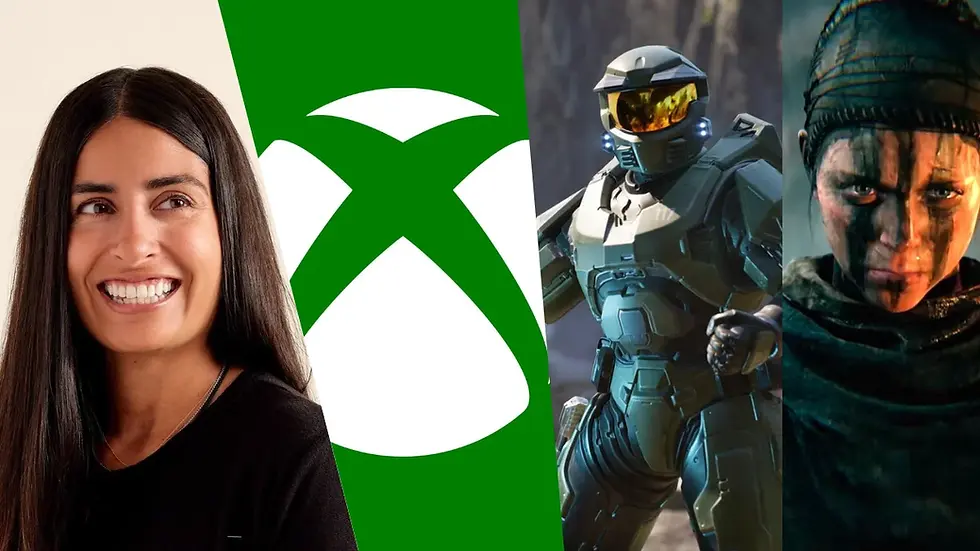
This quarter also marks the first earnings report following Phil Spencer's retirement and Asha Sharma stepping in as the new head of Xbox. Sharma officially took over in February, so her strategies have not had time to reflect in these numbers yet.
Reflecting on the result, Sharama said,
"Xbox earnings today. While we have made progress expanding the business and our margins, player and revenue growth has not yet met our ambition. We know we have work to do to earn every player today and into the future."
Nadella also stated that Xbox is committed to reconnecting with its "core" fans:
"When it comes to our consumer business, we're doing the foundational work required to win back fans and strengthen engagement across Windows, Xbox, Bing, and Edge. In the near term we are focused on fundamentals, prioritizing quality and serving our core users better. You see this in the work underway across our consumer products. With Windows, we recently announced performance improvements for lower memory devices, streamlined the Windows Update experience, and brought back focus to core features and fundamentals that matter most to our customers. And you also see this in Xbox, where the team is recommitting to our core fans and players and shaping the future of play. Last week's Game Pass changes are one example of how we are staying responsive to customer feedback. Monthly Active Windows devices surpassed 1.6 billion... Bing monthly active users reached 1 billion for the first time. We set new records for monthly Xbox active users in the quarter, as well as game streaming hours. In Microsoft 365 Consumer we have nearly 95 million subscribers."
Sharma and Matt Booty, brand CCO, also recently put out a joint memo signaling a shift away from the Microsoft Gaming branding in favor of leaning back into the "Xbox" name exclusively. It is a move aimed at restoring brand identity, which Sharma sees as a core part of the recovery strategy.
While Xbox stumbled, the rest of Microsoft had its best quarter ever. Azure grew 40%, Microsoft Cloud revenue reached $54.5 billion (up 29%), and the company's AI business crossed a $37 billion annual revenue run rate (ARR), representing 123% growth year over year. Total operating income hit $38.4 billion, up 20%, and net income came in at $31.8 billion.
CFO Amy Hood noted that the company "delivered results that exceeded expectations across revenue, operating income, and earnings per share."


Comments